
The Udder Way · Sustainability
How Does a Reusable Milk Keg Work?
The average busy café goes through hundreds of single-use plastic milk bottles every week. They arrive, get emptied, and go straight into the bin — or if the café is diligent, the recycling. Either way, most of that plastic ends up in landfill. Multiply that by thousands of cafés, and the numbers stop being abstract very quickly.
A milk keg is the alternative. The idea isn’t new — the drinks industry has been running beer and cider through reusable kegs for decades. What’s new is bringing that same logic to fresh dairy: a system where the keg travels from the dairy to your café, gets collected when empty, and goes back to be cleaned and refilled. No single-use bottle required.
“Each keg holds 18 litres — the equivalent of roughly 9 single-use plastic milk bottles. Every time it completes a cycle, 9 bottles don’t get made, transported, or put into landfill.”
What Is a Reusable Milk Keg?
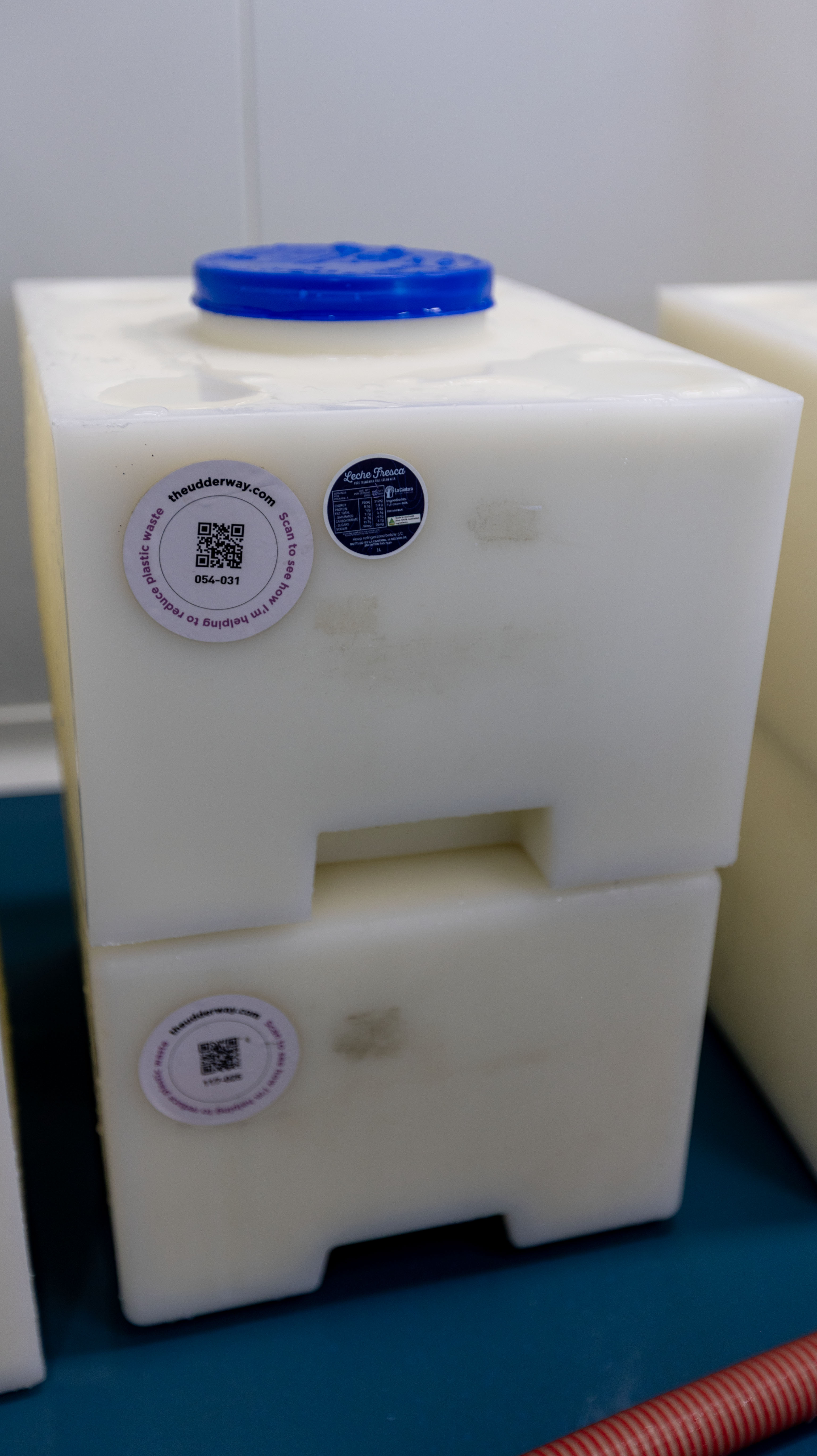
A TUW milk keg is a HACCP-certified, food-grade reusable plastic keg that comes in two formats — 18L and 12L. It’s sealed at the dairy, coded with a unique QR code, and tracked through every leg of its journey — from the dairy floor to your cool room and back again.
It is built to be reused. Every keg is designed for multiple cycles, cleaned to food safety standards between each one, and refilled at the source dairy. Each keg has a minimum lifespan of 15 years — and when it finally reaches the end of that life, it doesn’t go to landfill. It gets crushed and remoulded into new kegs, starting the cycle again. Where a bottle’s life ends at the bin, a keg’s life never ends.
How a Reusable Milk Keg Works — Step by Step
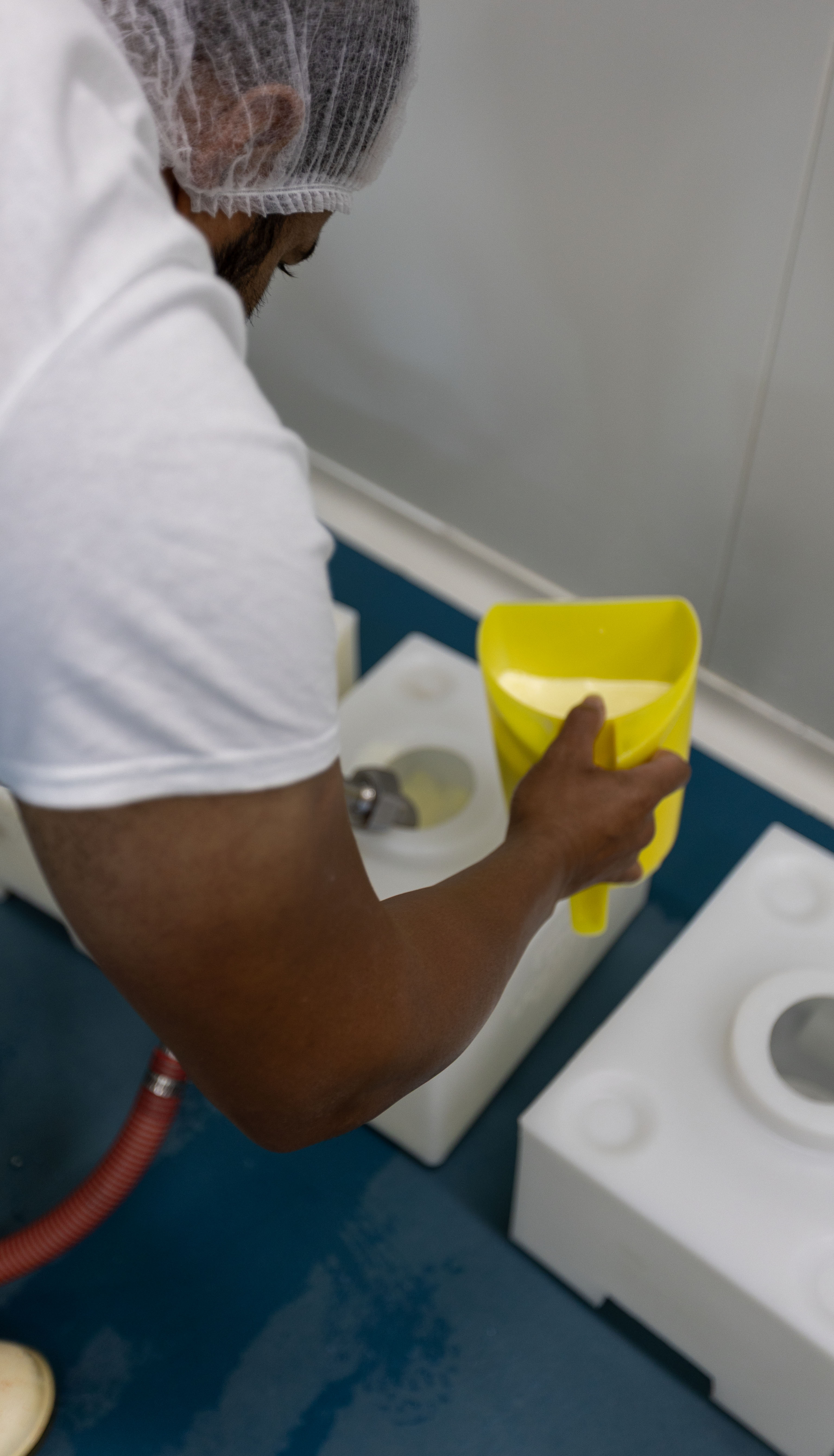
Filled at the Dairy
Fresh milk is filled directly into the keg at the partner dairy and sealed on-site. No exposure to air or light from the moment it’s sealed.
QR Coded and Tracked
Every keg receives a unique QR code, avatar, name and story when it is “born”. From that point, its journey is logged through the TUW platform — dairy dispatch, driver handover, café delivery. The keg is never anonymous in the system.
Delivered to the Café
Kegs are delivered via the dairy directly into the venue’s cool room. No stacking of empties by the back door, no bin overflowing with bottles mid-week. Delivery schedules align with the café’s normal restocking rhythm — the keg slots into existing operations rather than adding a new layer to them.
Tapped and Served
The café connects the keg to their milk dispenser or automated coffee machine. Milk pours directly from keg to tap — cold, fresh, and ready to steam. The keg remains sealed and cold throughout service. Baristas don’t need to open bottles, manage partial containers, or worry about what’s been sitting out on the bench.
Keg Returned
When the keg is empty, it’s collected on the next delivery run. The café doesn’t arrange collection or dispose of anything. It just goes back on the truck.
Cleaned and Refilled
The returned keg goes back to the dairy, where it’s cleaned to food safety standards, inspected, refilled, and sealed again. The cycle starts over.
Why This Matters
Each keg holds 18 or 12 litres — the equivalent of 9 or 6 standard single-use plastic milk bottles. Every time that keg completes a cycle, those bottles don’t get made, transported, or taken to landfill.
Because kegs run multiple cycles, that saving compounds. A keg completing ten cycles has displaced 90 bottles. A fleet of kegs doing that across hundreds of cafés moves the number further still.
The CO₂ impact follows the same logic: fewer bottles manufactured means less energy consumed in production. Fewer bottles transported and landfilled means fewer associated emissions down the chain. That’s what eliminating single-use plastics looks like in practice — not a gesture, but a structural change to the supply chain.
What About Milk Quality?
Fresh milk in a sealed keg holds up better than bottles stored in a cool room after opening. Once the keg is sealed at the dairy, there’s no light exposure and no air ingress. The milk stays cold and protected at all times.
It’s also single-origin. Cafés using TUW kegs know exactly which dairy their milk came from — not a blend, not a commodity line. That traceability matters for menus, for staff knowledge, and for customers who want to know what’s in their cup.
Milk makes up around 80% of every coffee. Getting that part of the drink right — where it comes from, how it’s stored, how fresh it is — matters more than most people realise. The keg is how you control it.
Meet the Engine Behind It
Now You Know the Keg. Meet the Software Running It.
The keg is the physical part of the system. But what makes it work at scale — across dozens of dairies, hundreds of cafés, and thousands of deliveries — is the software running underneath it. Which dairy your milk came from. When your next delivery is due. How many kegs you have on hand. The keg eliminates the bottle. The software eliminates the guesswork.
Explore the TUW App